Top 5 Beginner Aquarium Plants (That Actually Grow)
🌿 Top 5 Beginner Aquarium Plants (That Actually Grow)
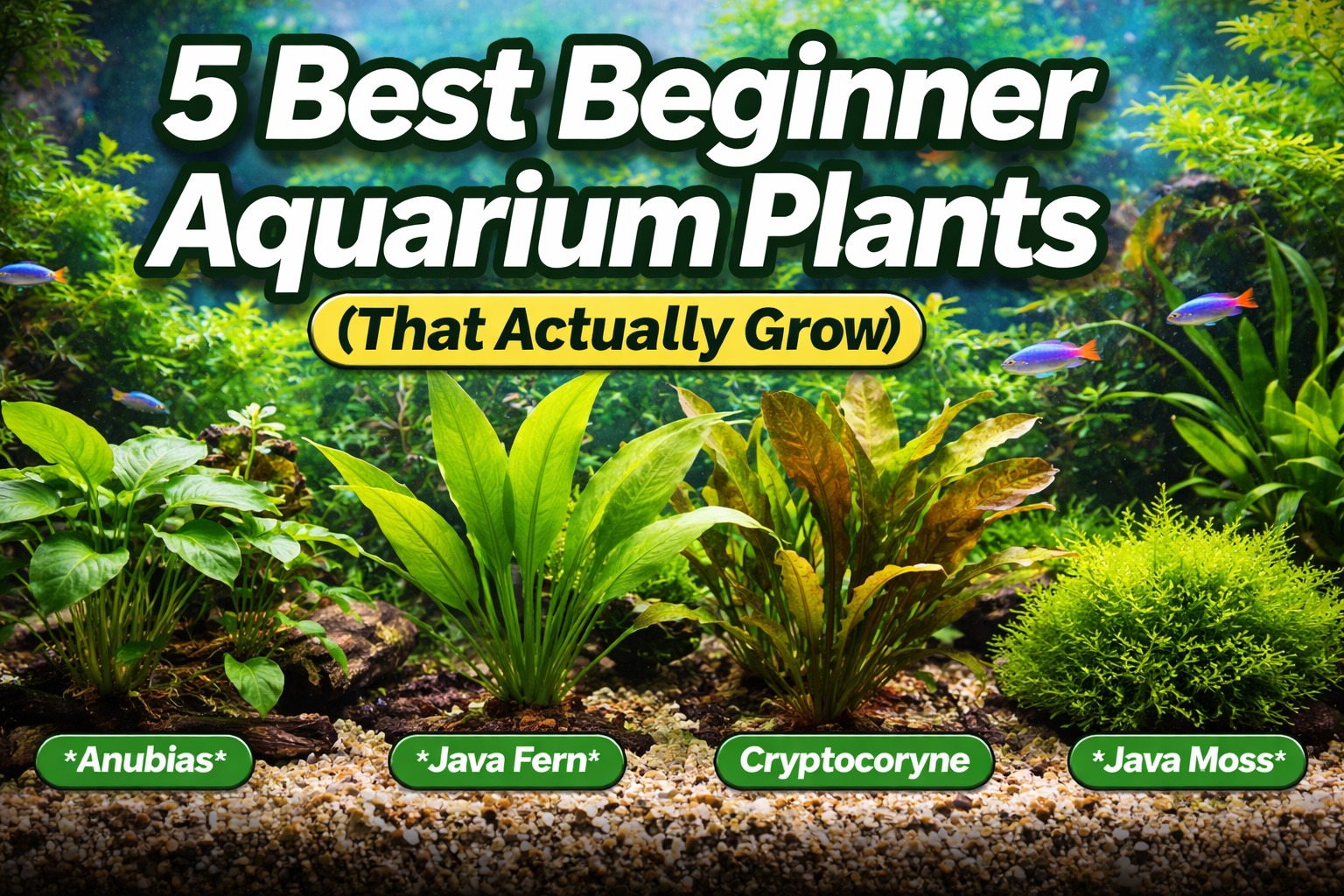
If you're starting your first planted aquarium, you don't need pressurized CO₂, complex nutrient charts, or a high-tech aquascape.
You need plants that grow.
Not dramatically.
Not perfectly.
Just consistently.
Beginner plants aren't "basic." They're predictable. They tolerate average lighting, handle small mistakes, and help you build confidence while your ecosystem matures.
Most of these plants are widely available at major pet stores — often sold in sealed plastic cups filled with nutrient gel, grown in sterile lab conditions. That means they're typically:
- Snail-free
- Pest-free
- Algae-free
- Safe to introduce into new tanks
If you want to start completely clean, tissue-culture plants are one of the easiest ways to do it.
One more thing worth knowing:
Many of these plants can be added early — even while your tank is cycling. They can begin establishing roots as beneficial bacteria develop.
But plants do not replace proper cycling.
You still need beneficial bacteria before adding fish.
Think of plants as support — not a shortcut.
This guide covers five plants that grow reliably in low-tech setups.
🌿 1. Anubias — The Attachment Specialist
Anubias is one of the most forgiving plants in freshwater aquariums.
It grows slowly.
It tolerates low light.
It does not need to be planted in substrate.
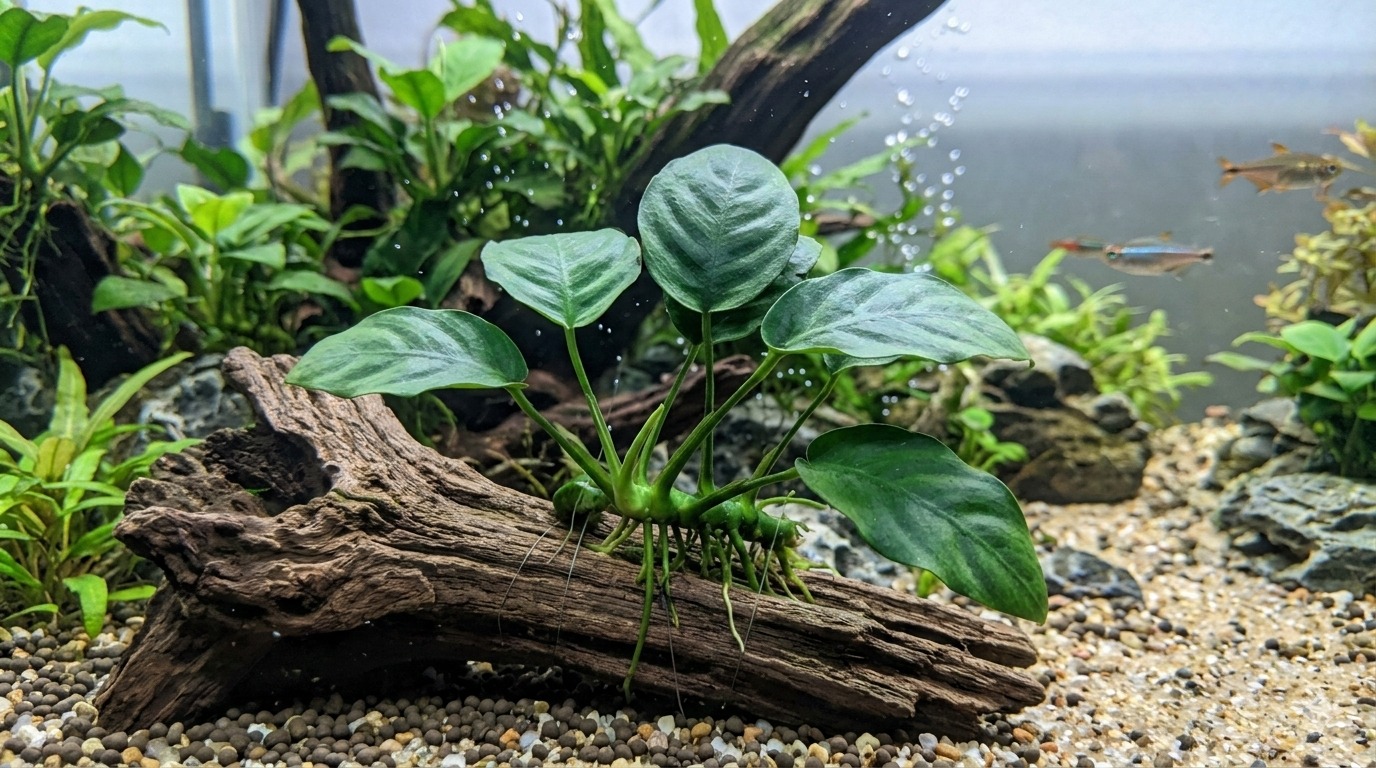
Anubias grows from a rhizome — a thick horizontal stem that must stay above the substrate. If buried, it rots.
You can attach it to driftwood or rock, or wedge it between stones. Over time, it anchors itself naturally.
Because it feeds primarily from the water column, Anubias does well over gravel or sand. A liquid fertilizer can support stronger growth, but heavy dosing isn't necessary — and root tabs aren't required.
It's commonly sold in tissue-culture cups, making a clean, snail-free start simple.
Anubias teaches an important lesson early on: not everything needs to be planted.
🌿 2. Java Fern — The Predictable Grower
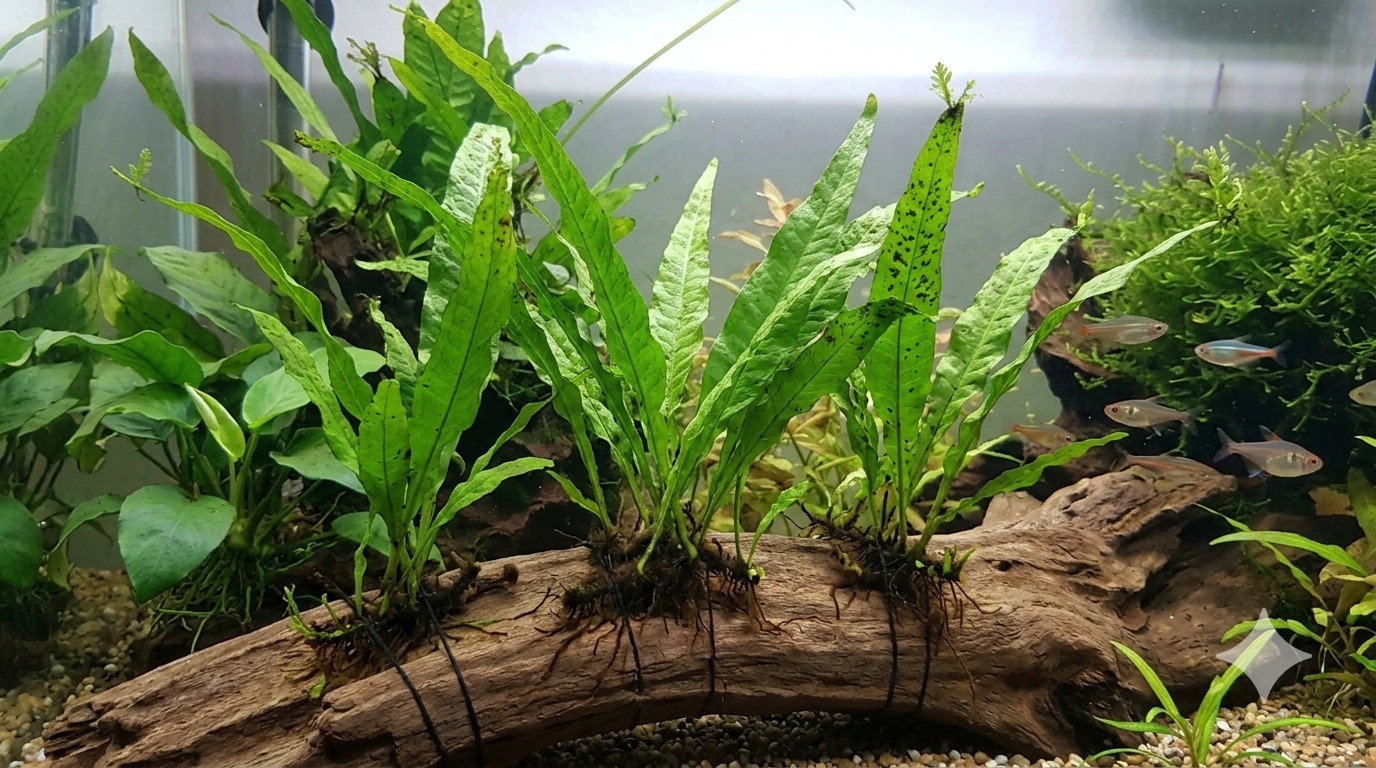
Java Fern is another rhizome plant that should never be buried.
It tolerates:
- Low to moderate light
- Wide water parameters
- Basic setups with minimal equipment
Like Anubias, it feeds mostly from the water column and grows well in gravel or sand without special substrate. Liquid fertilizer can improve growth, but root tabs aren't needed.
Brown spots on the leaves are often spores — not disease. New plantlets may grow directly from mature leaves, which can catch beginners off guard the first time they see it.
Java Fern is widely available in tissue culture form and is one of the most dependable plants you can add to a new tank.
It rewards patience more than attention.
🌿 3. Amazon Sword — The Root Feeder
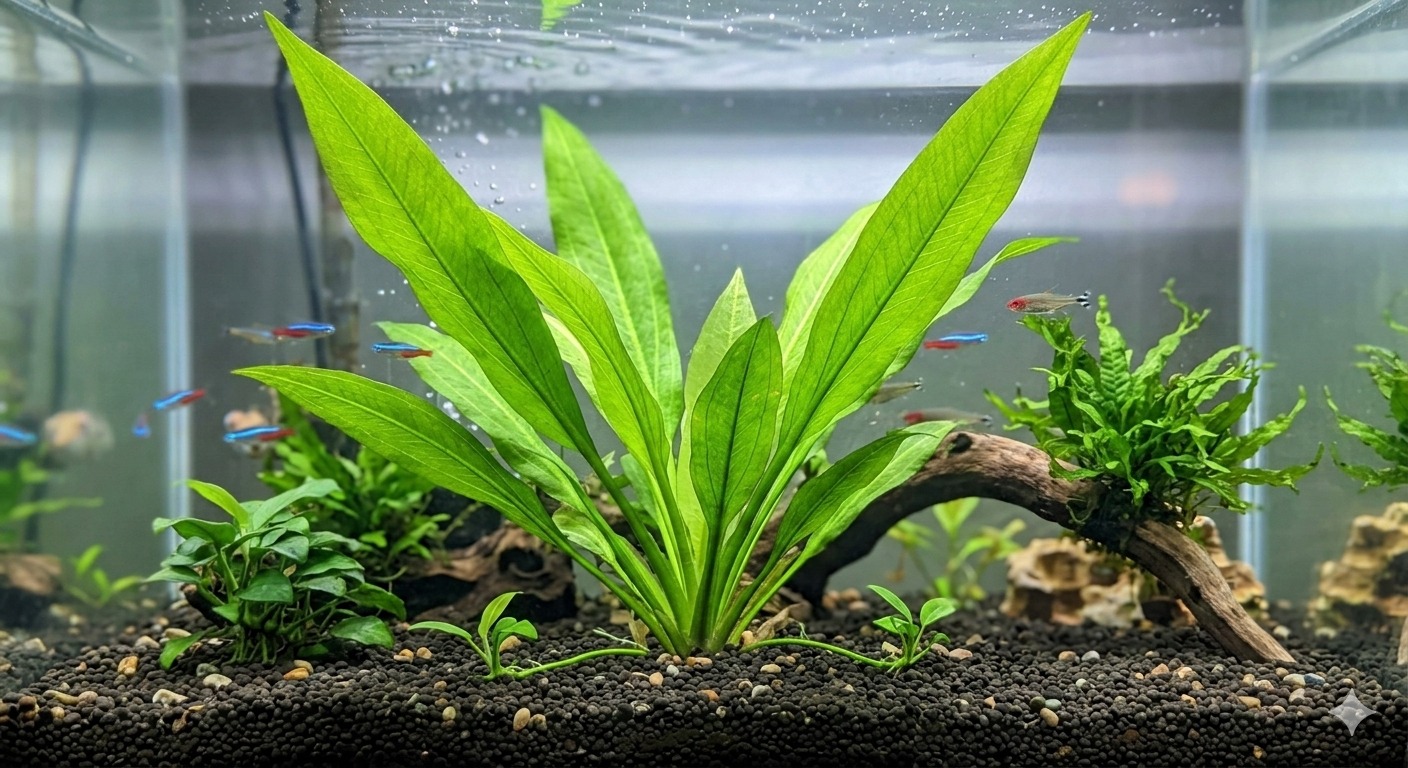
Amazon Swords introduce something new: heavy root feeding.
They grow large.
They build strong root systems.
They pull nutrients directly from the substrate.
In gravel or sand, root tabs are strongly recommended. Without nutrients at the roots, growth stalls over time regardless of what's in the water column.
In nutrient-rich substrates, they grow even more aggressively.
Liquid fertilizer helps, but this plant prefers feeding from below — the opposite approach from Anubias and Java Fern.
Amazon Swords are commonly available in both potted and tissue-culture forms. Tissue culture is the safer choice if avoiding hitchhikers matters to you.
This plant is a clear reminder that not all plants feed the same way.
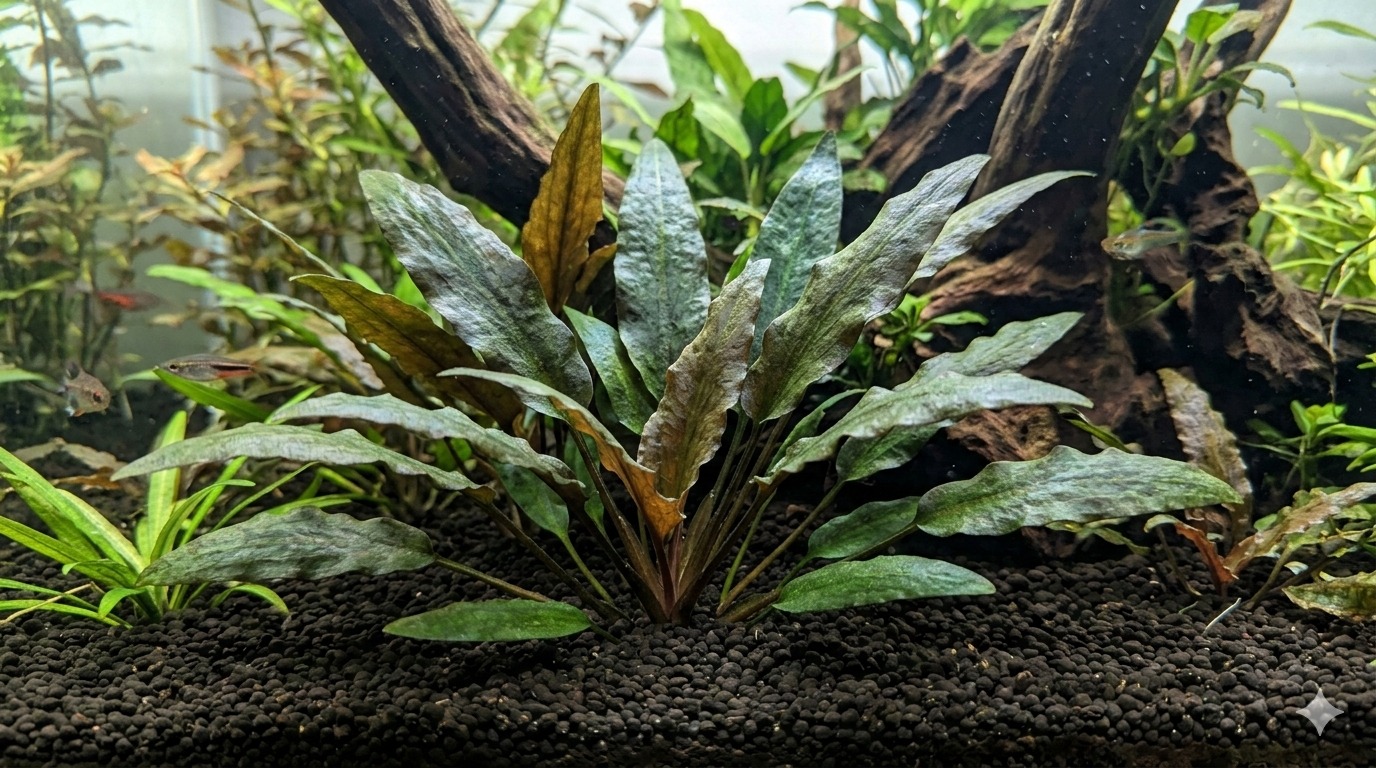
🌿 4. Cryptocoryne (Crypts) — The Stability Test
Crypts are excellent midground plants that tolerate low light and moderate conditions well.
Like Amazon Swords, they prefer nutrients at the root zone, and root tabs make a noticeable difference in gravel or sand tanks. Liquid fertilizer can support overall growth, but root nutrition matters more here.
When first introduced, they may drop leaves — a behavior known as "crypt melt." It looks alarming. It's normal. In stable conditions, they typically regrow from the root system.
Crypts teach one of the most important lessons in this hobby:
Stability beats panic.
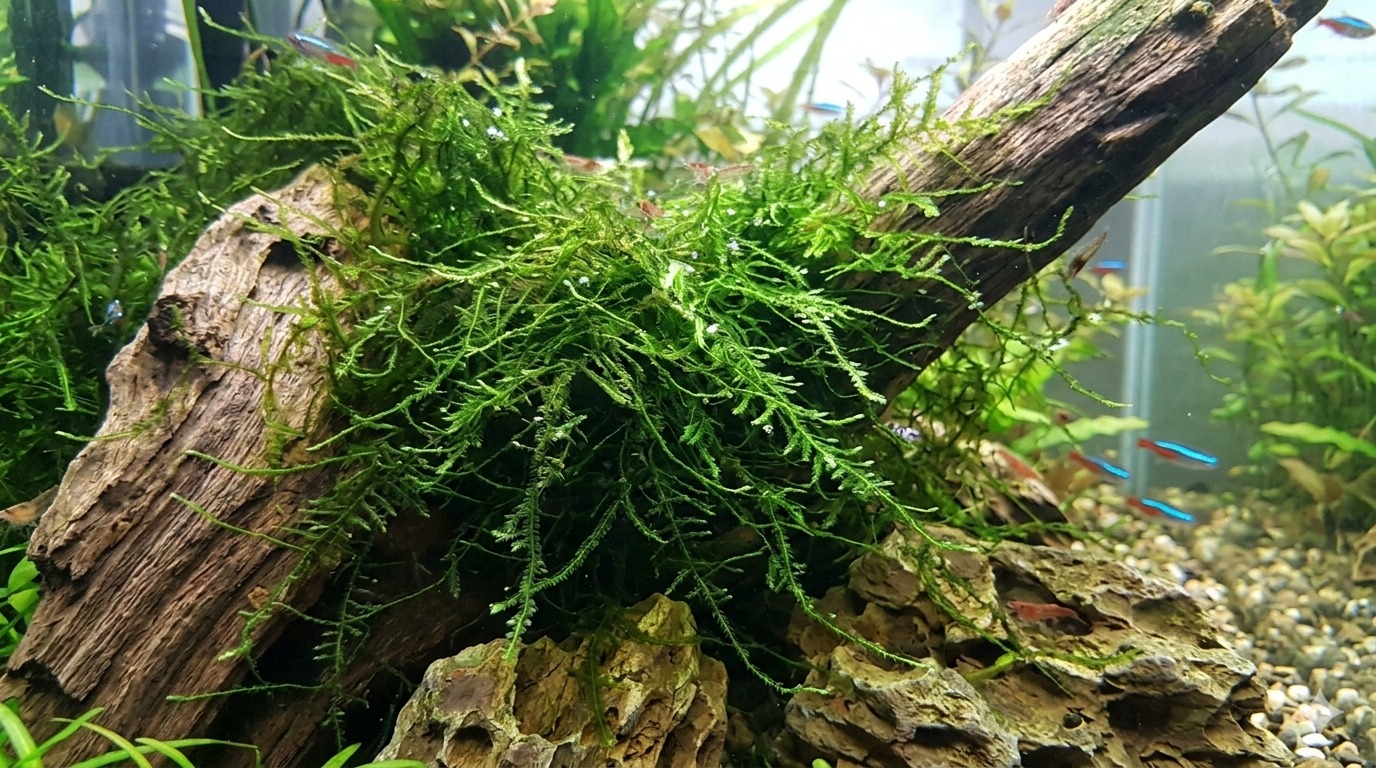
🌿 5. Java Moss — The Ecosystem Builder
Java Moss is one of the most adaptable plants in freshwater aquariums.
It:
- Doesn't require substrate
- Attaches to hardscape
- Grows in low light
- Thrives in shrimp tanks
It feeds from the water column and asks very little of the aquarist. A light liquid fertilizer can encourage faster growth, but Java Moss is genuinely forgiving — one of the few plants that tends to grow whether you're paying close attention or not.
It also increases biological surface area, supporting beneficial bacteria and biofilm development, which makes it especially valuable in shrimp systems.
Like the others, it's available in tissue culture for a clean start.
Java Moss teaches ecosystem thinking.
🌱 Final Thoughts
Beginner plants aren't about lowering standards.
They're about building foundations.
These five plants let you:
- Learn how plants feed
- Practice stability
- Start clean
- Build confidence
You don't need advanced systems to begin.
You just need plants that forgive you while you learn.
Log parameters, feeding, and maintenance with our journals and guides.