Neocaridina Shrimp Care: The Complete Guide to Neocaridina davidi (Cherry Shrimp)
By The Tank Guide
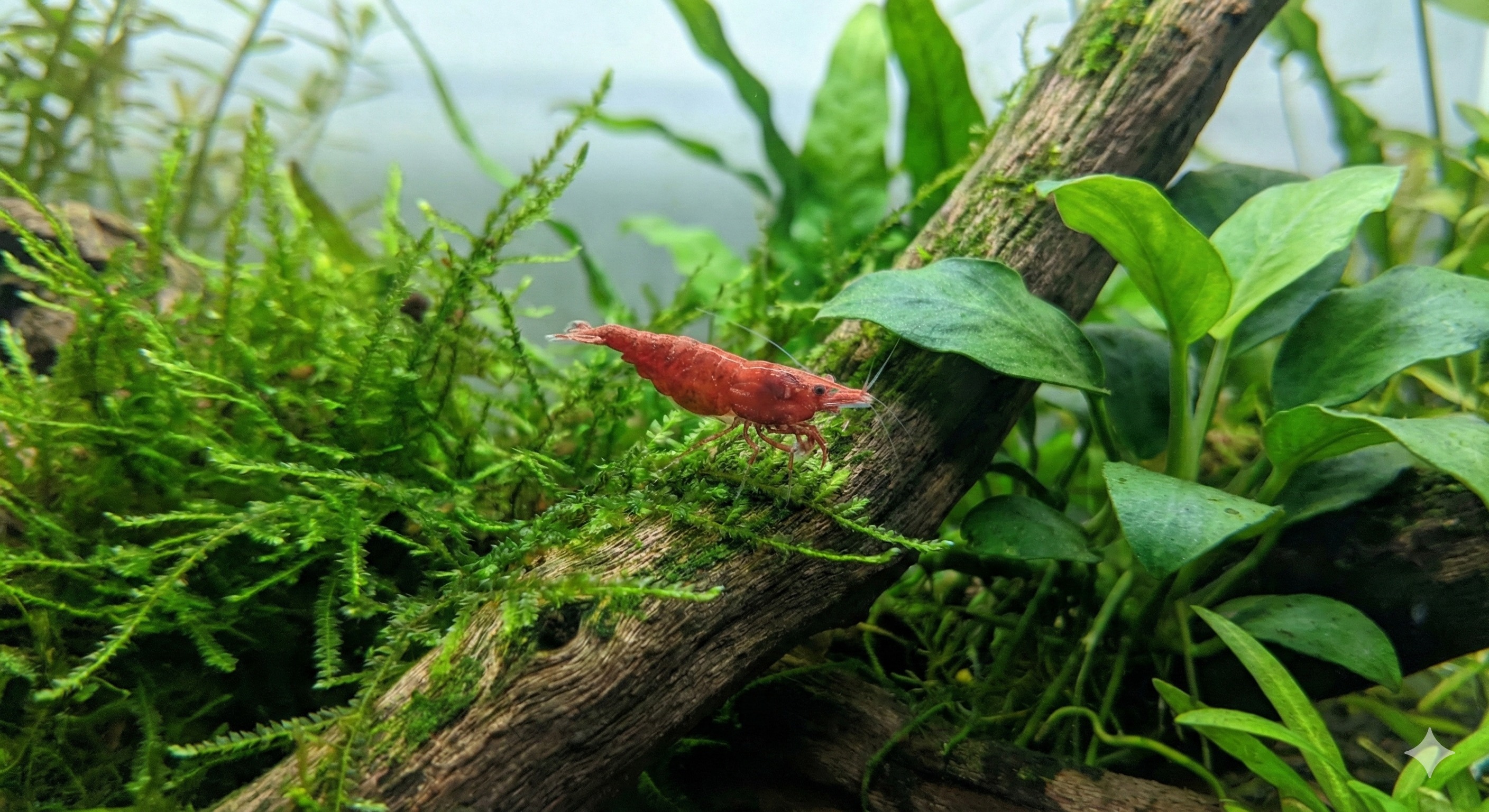
Neocaridina shrimp care is often described as beginner-friendly—and it can be. But long-term success with these fascinating invertebrates comes down to one thing: stability.
Scientifically known as Neocaridina davidi, these dwarf freshwater shrimp (commonly called Cherry Shrimp) thrive in mature aquariums with stable mineral levels, consistent water parameters, and a developed biofilm ecosystem. Most colony losses aren't caused by feeding mistakes or disease—they're caused by rapid swings in water chemistry that stress shrimp during their vulnerable molting cycles.
This guide covers everything you need to build a thriving Neocaridina colony:
- Ideal water parameters (GH, KH, TDS, temperature, pH)
- Molting requirements and mineral support
- Copper safety warnings
- Shrimp-only vs community tanks
- Drip acclimation protocol
- Troubleshooting colony die-offs
- Structured quick-reference tables
Quick Care Summary (At-a-Glance)
- Use a mature, fully cycled aquarium with visible biofilm.
- Maintain GH 6–12 dGH and KH 3–8 dKH.
- Keep TDS between 150–250 ppm.
- Temperature: 68–75°F (20–24°C).
- Avoid copper-based medications and fertilizers.
- Drip acclimate new shrimp over 60–90 minutes.
Ideal Water Parameters for Neocaridina Shrimp
Before diving into individual parameters, it's worth understanding that shrimp are osmotic regulators—they actively manage the balance of minerals and water inside their bodies. When external conditions shift rapidly, their systems become overwhelmed. That's why gradual, stable water chemistry matters more than hitting perfect numbers.
| Parameter | Ideal Range | Why It Matters |
|---|---|---|
| Temperature | 68–75°F (20–24°C) | Controls metabolism and breeding rate. |
| pH | 6.8–7.8 | Prevents acid stress and shell damage. |
| GH | 6–12 dGH | Provides calcium & magnesium for exoskeleton formation. |
| KH | 3–8 dKH | Buffers pH and prevents crashes. |
| TDS | 150–250 ppm | Measures overall mineral stability. |
| Ammonia | 0 ppm | Even trace amounts are toxic. |
| Nitrite | 0 ppm | Highly toxic to invertebrates. |
| Nitrate | <20 ppm | Long-term health indicator. |
Don't stress if your parameters aren't perfectly centered in these ranges. What matters most is keeping them consistent week to week. A stable GH of 5 dGH is safer than constantly swinging between 6 and 10.
Understanding GH and KH for Shrimp Molting
Two terms you'll encounter frequently in shrimp keeping are GH (General Hardness) and KH (Carbonate Hardness). Here's what they actually mean—and why they matter.
GH measures dissolved calcium and magnesium in the water. Shrimp use these minerals to build their exoskeletons. Every time a shrimp molts (sheds its old shell to grow), it must form a new, hardened shell within hours. Without adequate calcium and magnesium, that new shell stays soft—leaving the shrimp vulnerable to injury, bacterial infection, and predation.
KH measures carbonate and bicarbonate levels, which buffer pH. In low-KH water, pH can crash suddenly (especially in heavily planted tanks where CO₂ fluctuates). Shrimp tolerate a range of pH values, but they cannot tolerate sudden shifts.
The Molting Process
Shrimp must shed their exoskeleton to grow. This process requires:
- Calcium and magnesium (from GH)
- Low stress and stable parameters
- Time to harden the new shell
If GH is too low, the new shell cannot harden properly. If GH is too high, shrimp may struggle to exit the old shell during the molt. A white band around the midsection—often called the "white ring of death"—signals molting failure due to mineral imbalance or sudden parameter swings.
TDS: A Shortcut to Monitoring Stability
Total Dissolved Solids (TDS) measures the total concentration of all dissolved minerals in your water—calcium, magnesium, sodium, chloride, and more. Ideal range for Neocaridina: 150–250 ppm.
Many shrimp keepers use TDS as a quick stability check. Instead of testing GH, KH, and pH individually every day, they monitor TDS. Rapid TDS swings—say, from 200 ppm to 120 ppm after a large water change—signal danger even if individual parameters look acceptable on paper.
This makes TDS especially useful when performing water changes: match the new water's TDS to your tank's current reading to avoid osmotic shock.
Copper Warning (Critical)
Copper is highly toxic to Neocaridina shrimp, even in trace amounts. Invertebrates cannot process copper the way fish can, and exposure often results in total colony loss.
Always verify that:
- Plant fertilizers are labeled shrimp-safe (many contain copper sulfate).
- Medications—especially ich treatments—are copper-free.
- Tap water conditioners neutralize heavy metals.
Even if a product says "safe for invertebrates," double-check the ingredient list. Copper-based compounds may be listed as chelated copper, copper sulfate, or cupric ions. When in doubt, contact the manufacturer or choose an alternative product with a proven shrimp-safe track record.
How to Raise GH Naturally
If your tap water is naturally soft (GH below 4 dGH), you'll need to supplement calcium and magnesium. Here are two beginner-friendly methods:
Crushed Coral
Place crushed coral in a filter media bag inside your filter. It dissolves slowly, raising both GH and KH gradually over weeks. This method is forgiving—you won't accidentally spike parameters overnight.
Cuttlefish Bone
A small piece (sold in the bird section of pet stores) provides calcium support and assists molting. Shrimp will graze directly on the bone as it softens.
Important: Make adjustments slowly. If you're raising GH, do it over several weeks via water changes with remineralized water. Rapid increases create the same stress as rapid decreases.
How to Acclimate Neocaridina Shrimp (Drip Method)
Shrimp are extremely sensitive to osmotic shock—the stress caused when their bodies must suddenly adjust to different water chemistry. Proper acclimation reduces this stress and dramatically improves survival rates.
Step-by-Step Drip Acclimation:
- Float the bag for 15–20 minutes to equalize temperature.
- Transfer shrimp to a clean container (not the tank yet).
- Set up a drip line using airline tubing from your tank to the container (2–4 drops per second).
- Let it drip for 60–90 minutes, allowing the shrimp to gradually adjust to your tank's TDS, GH, and pH.
- Net the shrimp into the tank. Do not pour store water into your aquarium—it may contain pathogens or copper residue.
Skipping acclimation is one of the most common beginner mistakes. Even if the shrimp appear fine initially, stress from rapid parameter shifts often shows up days later as molting failures or sudden deaths.
Shrimp-Only Tank vs Community Tank
Neocaridina can survive in community tanks with peaceful fish, but breeding success declines significantly in the presence of tankmates. Even small, non-aggressive fish will eat newborn shrimplets, and adult shrimp become more reclusive under constant predation pressure.
A shrimp-only tank provides:
- Higher shrimplet survival rates
- Reduced stress (shrimp graze openly instead of hiding)
- Natural breeding behavior
- Faster colony expansion
Hardscape matters: Dense plants, moss, driftwood, and leaf litter increase surface area for biofilm growth—the microorganism film that shrimp graze on constantly. More surface area means more natural food sources and healthier molting conditions.
Why Are My Cherry Shrimp Dying?
If you're experiencing losses, work through this checklist before assuming disease:
- Uncycled tank – Ammonia and nitrite spikes are deadly to invertebrates.
- GH too low – Shrimp cannot molt successfully without calcium and magnesium.
- Copper exposure – Check fertilizers and medications.
- Rapid TDS swings – Large, sudden water changes shock shrimp.
- Skipped acclimation – New arrivals need time to adjust.
- Temperature fluctuations – Heater malfunctions or seasonal swings stress colonies.
Always test parameters (ammonia, nitrite, nitrate, GH, KH, TDS) before diagnosing illness. Most colony crashes are environmental, not pathogenic.
Feeding & Biofilm Support
Neocaridina are constant grazers. In a mature tank with established biofilm, they spend most of their time foraging for:
- Biofilm (microorganisms coating surfaces)
- Algae films
- Decaying plant matter
- Microinvertebrates
You can supplement their diet lightly with:
- Shrimp-specific pellets
- Blanched vegetables (zucchini, spinach, cucumber)
- Botanicals like Indian almond leaves
Caution: Overfeeding causes ammonia spikes and bacterial blooms, both of which harm shrimp. Feed sparingly—once every 2–3 days is often enough in a well-established tank.
For a full breakdown of natural feeding behavior and supplemental options, see:
Neocaridina Shrimp Diet Guide: What They Really Eat
Final Principle: Stability Over Perfection
Neocaridina davidi thrive in consistency, not perfection.
A tank with stable "good enough" parameters will outperform a tank where the keeper constantly adjusts values chasing ideal numbers. Every adjustment—even a well-intentioned one—creates temporary instability. Shrimp interpret that instability as environmental stress, which suppresses breeding, weakens immune response, and increases molting failures.
Build your system. Let it stabilize. Resist the urge to tinker.
Consistency builds resilience. Perfection creates stress.