Low Maintenance Fish for Aquariums: Low Bioload, Not Tougher Fish
Why “Hardy” Is the Wrong Term — and What Actually Makes a Fish Low Maintenance
By FishKeepingLifeCo — Dec 2025

When people search for low maintenance fish for aquariums, they’re usually looking for a safer way to get started. A lot of beginners say the same thing: “I want an aquarium, but I don’t want to kill the fish.”
That hesitation makes sense. Early mistakes can feel high-stakes when you’re caring for live animals, and it’s not always obvious which choices matter most at the beginning.
So instead of searching for “hardy” fish, it helps to understand how waste builds in an aquarium—and how that shapes both stability and fish health over time.
What “Low Maintenance” Actually Means
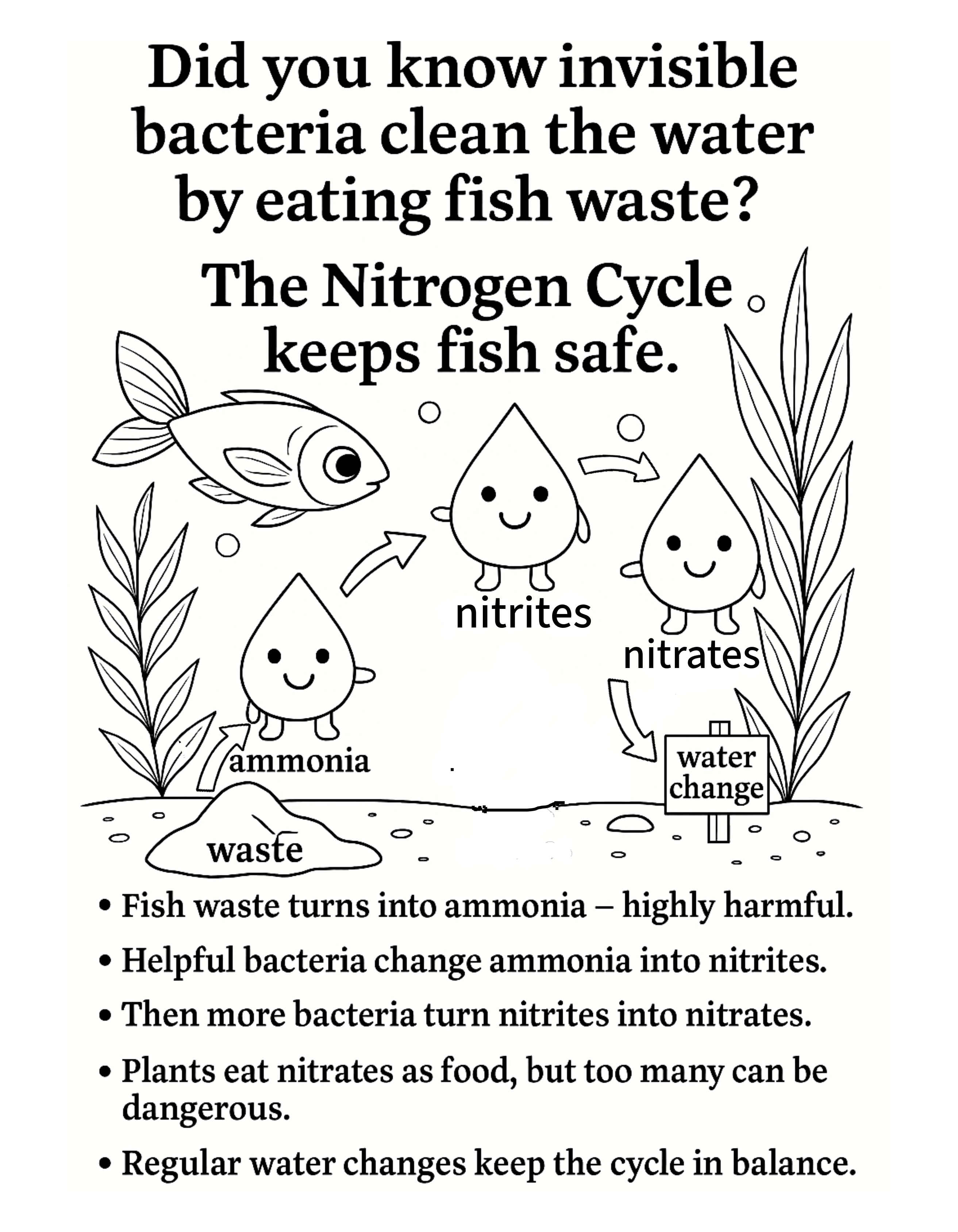
In an aquarium, everything starts with waste. Fish eat, fish produce waste, and that waste quickly breaks down into ammonia. Ammonia is toxic even at low levels, which is why aquariums rely on beneficial bacteria to process it.
Bioload is simply a way of describing how much waste enters the system and how quickly it appears. Larger fish, heavier feeding, and higher stocking levels increase bioload. Smaller fish and lighter feeding slow it down.
Ammonia is always part of an aquarium. The key difference is whether it builds faster than the tank can process it over time.
When waste enters the system slowly, the aquarium has time to adjust—and you have time to react before small issues become serious problems. Beneficial bacteria populations can expand. Water testing can catch changes early. And simple maintenance steps, like a water change, are usually enough to keep things stable.
This is what people are really looking for when they search for low maintenance fish. It isn’t a fish that can survive poor conditions. It’s a system where waste builds at a pace the aquarium can handle, giving both the tank and the aquarist room to respond.
Why We Avoid Calling Fish “Hardy”
The term hardy is commonly used in fishkeeping, especially when talking about beginner-friendly species. While it’s usually well-intentioned, it can create a misleading picture of what’s actually happening in an aquarium.
Compounds like ammonia and nitrite affect fish in the same basic ways. At higher levels, they irritate gills, make it harder for fish to breathe, and put stress on their bodies, no matter the species.
Fish aren’t Pokémon. They don’t have extra HP.
What people are usually noticing when they describe a fish as “hardy” isn’t toughness—it’s rate. Smaller fish or lighter feeding mean waste builds more slowly, giving the aquarium time to stay balanced and giving the aquarist time to respond.
Using the word hardy can unintentionally shift focus away from the system and onto the fish, as if success comes from choosing the right species instead of managing water quality. In reality, long-term success comes from understanding how waste moves through the aquarium and designing a setup that can handle it consistently.
That’s why this guide focuses on bioload, not toughness. It keeps attention where it belongs: on stability, water quality, and fish welfare.
What Low Bioload Means — and What It Doesn’t
Understanding low bioload is about setting the right expectations. It explains why some setups feel easier to manage early on—without suggesting that care can be skipped.
What Low Bioload Means
Low bioload means:
- waste enters the aquarium more slowly
- ammonia builds at a gentler pace
- the biological filter has time to adjust
- you have time to test, observe, and respond
This slower buildup makes it easier to catch small problems early, before they turn into emergencies. For beginners, that extra time can make a meaningful difference while learning how an aquarium system behaves.
What Low Bioload Doesn’t Mean
Low bioload does not mean:
- ammonia won’t appear
- cycling isn’t necessary
- water testing can be skipped
- water changes aren’t important
It also doesn’t mean a fish can tolerate poor conditions indefinitely.
Low bioload reduces risk, not responsibility.
Examples of Low-Bioload Fish (With a Responsible Setup)
Low-bioload fish tend to share a few traits: smaller adult size, lighter feeding demands, and slower waste production. When kept in appropriate conditions, they place less immediate pressure on a developing aquarium.
That said, tank size still matters.
A fish can be low bioload and still be high risk if it’s kept in too little water. Smaller tanks have less dilution, fewer safety margins, and require closer monitoring—especially early on.
As a general rule:
- More water volume = more stability
- Smaller tanks = less room for error
These examples assume:
- the tank meets the minimum size for the species
- filtration is appropriate for the volume
- stocking is conservative, not maxed out
Fish commonly considered lower bioload when set up responsibly include small-bodied species, single-fish setups, and select invertebrates. Their slower waste production helps reduce early pressure on the nitrogen cycle—but it doesn’t eliminate the need for testing, water changes, or patience.
It’s also important to remember that bioload is cumulative. Multiple low-bioload fish added too quickly can overwhelm a tank just as easily as one larger fish.
True low maintenance comes from adequate tank size and conservative stocking, not from minimizing space. More water volume creates stability, slows waste buildup, and gives both the aquarium and the aquarist time to respond when conditions change.
Bigger Tanks Help — But They Don’t Eliminate Care
A larger tank and lighter stocking can make an aquarium more stable, but they don’t turn fishkeeping into an autopilot hobby. Every fish still has basic needs that must be met.
All aquatic animals require:
- appropriate temperature
- clean, oxygenated water
- consistent feeding
- regular observation
For many adaptable, low-bioload species, this can be relatively straightforward. In some setups, conditioned tap water, stable temperature, and basic maintenance are enough to support long-term health.
But not all species work that way.
Certain fish—such as many cichlids or discus—have specific requirements for pH, hardness, temperature, or long-term consistency. In those cases, a bigger tank helps with dilution and stability, but it doesn’t replace the need for careful parameter management.
Tank size reduces pressure on the system, but it doesn’t override biology.
This Applies to Invertebrates Too
This idea doesn’t apply only to fish. Invertebrates have requirements as well, and they’re often overlooked because they’re labeled as “easy” or “cleanup crew.”
Snails need sufficient mineral content in the water to maintain healthy shells. Shrimp rely on proper hardness and stable parameters for molting and long-term health. Even in a stable, low-bioload system, missing these basics can lead to slow, preventable problems.
Every species—fish, shrimp, or snail—requires something. Some adapt well to typical tap water conditions. Others need specific parameters to thrive.
A little background research goes a long way. Knowing what you’re adding helps you understand what the aquarium needs to provide.
Bringing It All Together: Planning Before You Add Fish
In practice, low maintenance aquariums are built around bioload awareness, species compatibility, and planned stocking.
That’s where tools like a Stocking Advisor can be helpful. They allow you to visualize how different species contribute to overall bioload and how tank size influences stability—before fish are added.
Planning ahead doesn’t replace observation or routine care, but it can reduce surprises and make the learning process calmer for both the aquarist and the animals involved.
Final Thought
A low maintenance aquarium comes from aligning the system, the species, and your expectations—before the first fish goes in.
Frequently Asked Questions
What are the best low maintenance fish for beginners?
The best low maintenance fish are those with a low bioload, such as small Tetras, Rasboras, or a single Betta. Stability comes from a low rate of waste production relative to the water volume, rather than the "toughness" of the fish.
Does a larger tank require more maintenance?
Actually, larger tanks are often lower maintenance because the higher water volume dilutes toxins like ammonia more effectively, providing a larger safety margin for beginners.
Understanding the Nitrogen Cycle
To keep a low-maintenance tank, you must respect the nitrogen cycle. Beneficial bacteria convert toxic ammonia (from fish waste) into nitrites, and then into less harmful nitrates. Managing bioload ensures this cycle is never overwhelmed.