Aquarium Heater Safety: Why Temperature Controllers Matter
Aquarium heaters are one of the most common single-point failures in fishkeeping. When they fail, they often don’t shut off — they stay on.
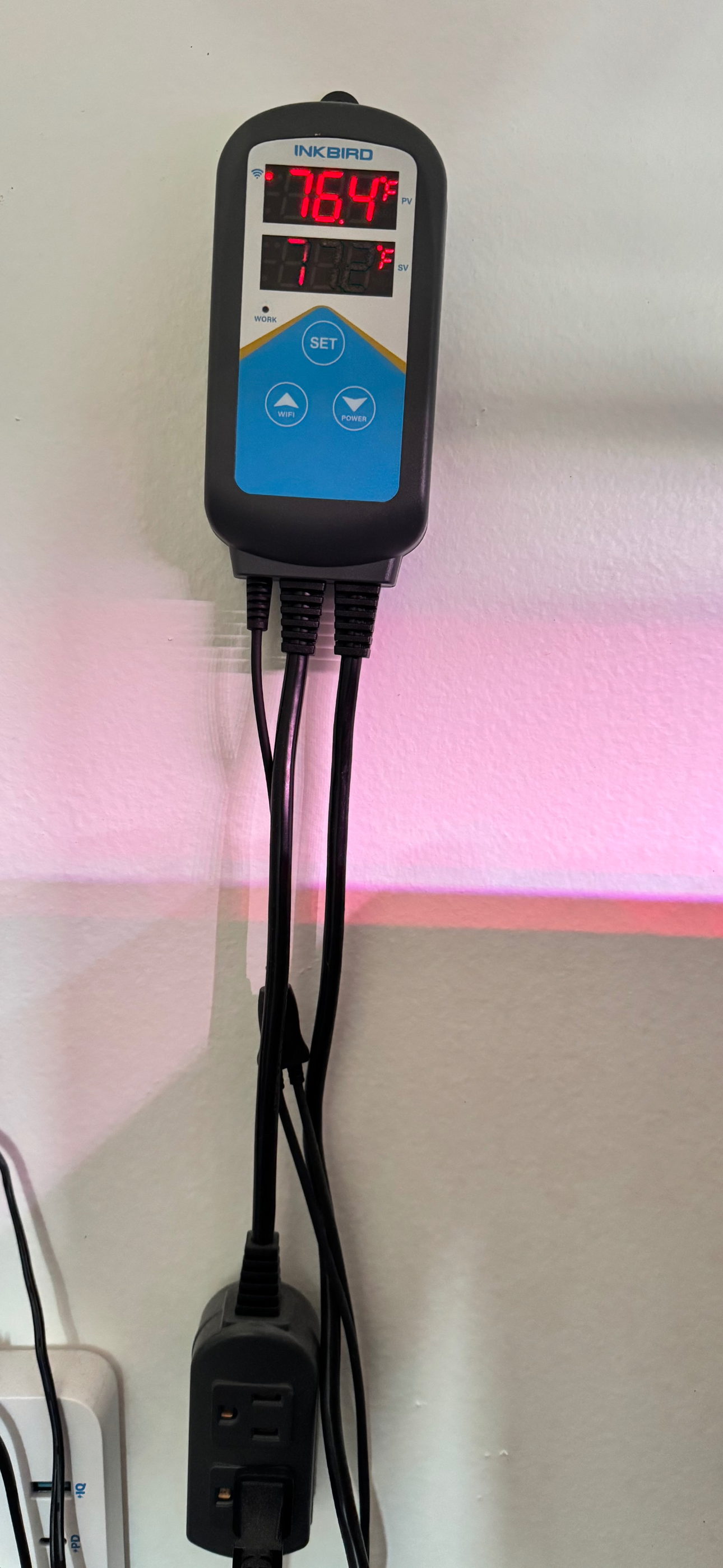
Aquarium heaters are one of the most common single-point failures in fishkeeping.
When they fail, they often don’t shut off — they stay on. This can cause water temperature to rise slowly and quietly. By the time the issue is noticed, fish have often already experienced stress from prolonged exposure to unsafe conditions.
This article isn’t a product ranking or a sales pitch. It’s an educational look at why temperature controllers exist, how they function as a safety layer, and why they are commonly recommended to protect long-term fish welfare.
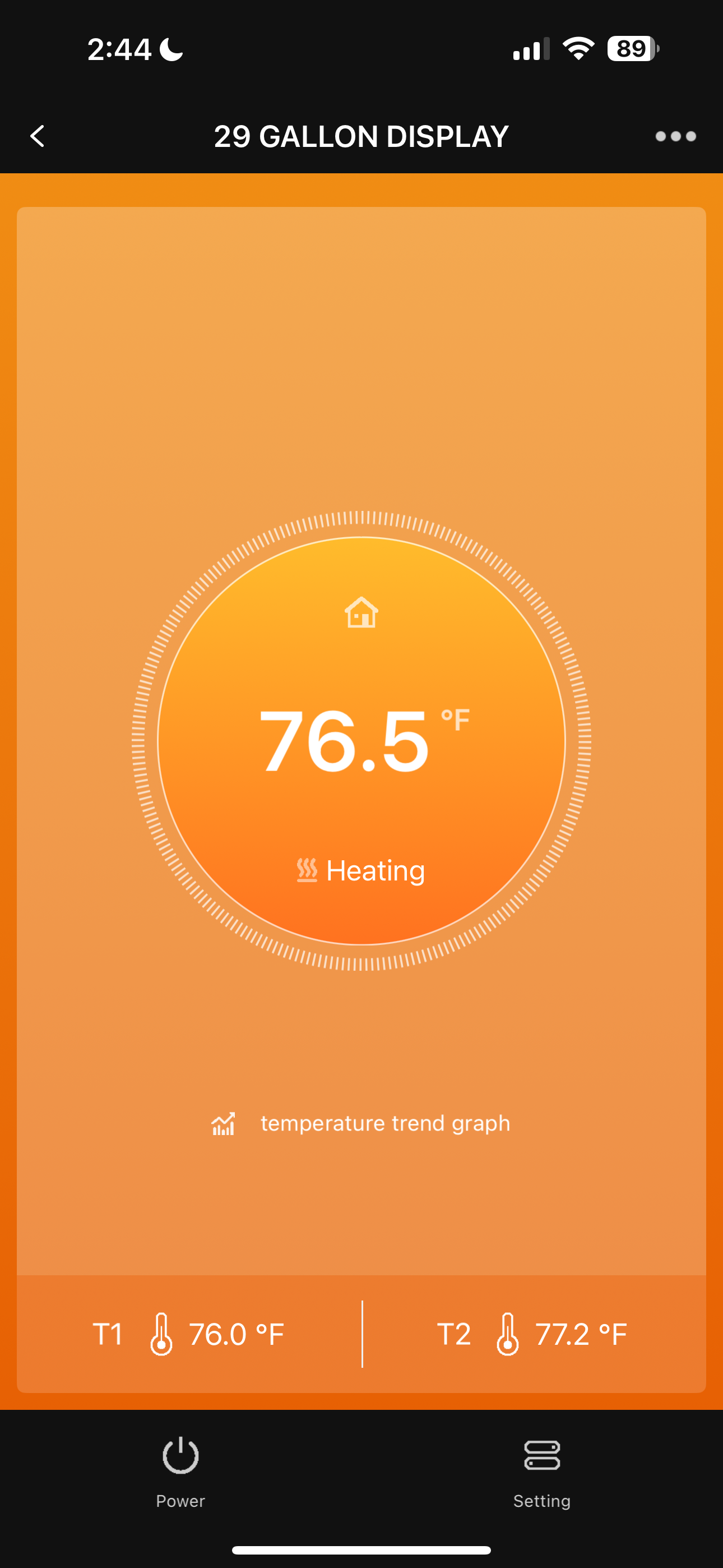
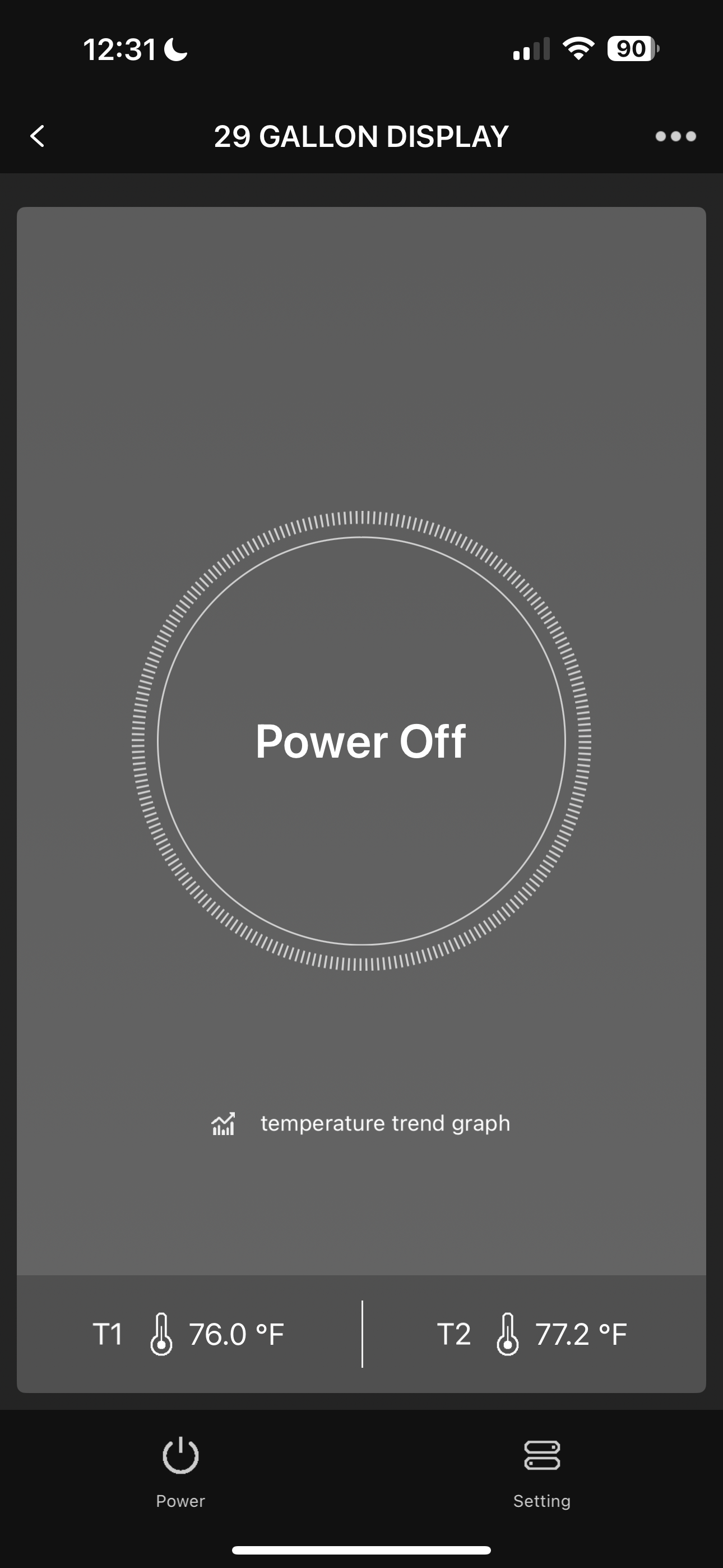
Photo Gallery: How the Inkbird App Looks in Use
What Is an Aquarium Temperature Controller?
A temperature controller is an external device that independently monitors aquarium water temperature and cuts power to the heater if unsafe conditions are detected.
Instead of relying solely on the heater’s internal thermostat, the controller acts as a second checkpoint — a redundant layer designed to intervene when something goes wrong.
Borrowing a Safety Practice from Saltwater Systems
Temperature controllers have long been standard equipment in saltwater reef systems, where stability is critical and equipment redundancy is expected.
The risk they address, however, isn’t unique to saltwater tanks. Heater malfunction affects freshwater aquariums in exactly the same way. Fish experience physiological stress from rapid or sustained temperature changes regardless of salinity.
By adopting this safety practice, freshwater hobbyists can move away from relying on a single component and toward a more resilient system.
How a Temperature Controller Functions
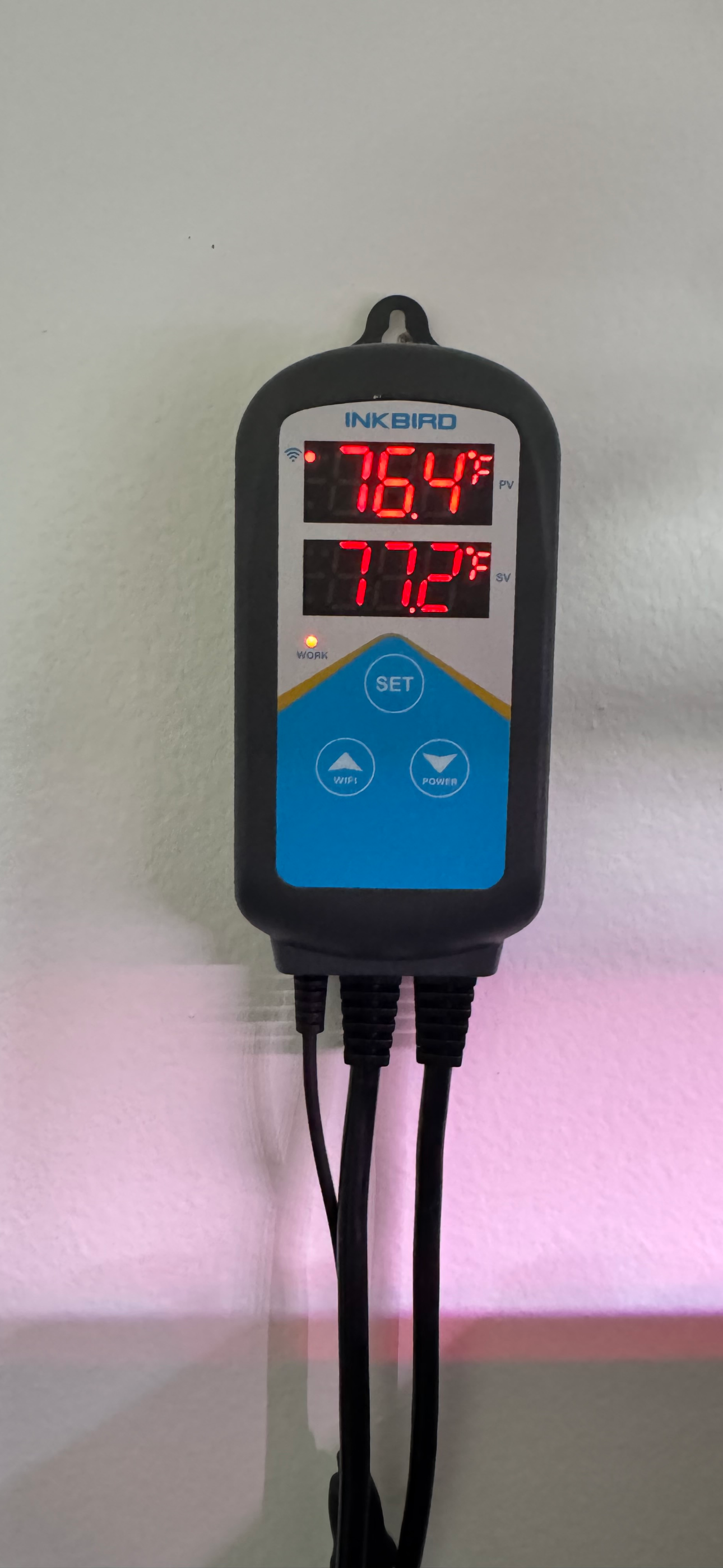
In our experience with units like the Inkbird ITC-306A, the value lies in independent monitoring.
The controller sits between your heater and the power outlet. A temperature probe measures the actual water temperature, not the heater’s internal reading. You set a safe operating range, and the controller ensures power is only supplied when conditions are within that range.
Modern controllers with Wi-Fi capability add visibility without increasing complexity:
- Live temperature readings from your phone
- Instant alerts if temperatures move outside safe limits
- Trend awareness, helping you see how seasonal or household changes affect your tank
This technology isn’t about micromanaging — it’s about visibility and giving yourself time to respond before a failure becomes a crisis.
High-Level Setup Overview
Using a temperature controller is straightforward:
- Plug the controller into the wall outlet
- Plug your aquarium heater into the controller
- Place the temperature probes in the aquarium
- Set your target temperature and safety cut-off limits
If a heater’s internal thermostat fails and remains on, the controller detects the rising temperature and physically cuts power to the heater.
Why Probe Placement Matters
The Inkbird ITC-306A uses dual temperature probes, which are designed to cross-reference each other and detect abnormal or faulty readings.
For that safety check to work properly:
- Keep both probes near each other, reading the same water mass
- Place them in an area with active water flow
- Avoid positioning probes directly next to the heater element
If the probes are separated, this cross-check becomes less reliable. Keeping them clustered ensures accurate readings and effective protection.
Probe Construction Is a Safety Detail That Matters
Not all temperature controllers are built for aquarium use.
Some generic models use exposed metal probes designed for air or industrial environments. For aquariums, probes should be plastic-coated and rated for continuous submersion to prevent corrosion or material leaching.
This is one of the reasons we reference the Inkbird ITC-306A specifically — its probes are designed for long-term aquarium use.
When a Temperature Controller Makes Sense
A temperature controller isn’t required for every setup, but it is strongly recommended in certain situations:
- Tanks with temperature-sensitive species
- Aquariums in rooms with seasonal temperature swings
- Larger or heavily stocked tanks
- Systems where livestock value or long-term stability matters
- Hobbyists who have experienced heater failure in the past
For very small or temporary setups, a high-quality heater may be sufficient. A controller is an added layer of protection — not a barrier to entry.
Final Thoughts
Good aquarium design focuses on reducing single points of failure.
A temperature controller won’t prevent a heater from breaking, but it can prevent a broken heater from destabilizing an entire ecosystem. That margin of protection is often the difference between catching a problem early and discovering it too late.
Affiliate Disclosure
This article contains affiliate links. We participate in the Amazon Associates and Hygger affiliate programs, which means we may earn a small commission from qualifying purchases at no extra cost to you. These commissions help support the creation of free educational resources. Our recommendations are always based on real-world use and fish welfare considerations.
Put This Into Practice
Ready to apply what you learned? Use our Gear Guide to match heaters and controllers to your tank size—built with safety in mind.
Frequently Asked Questions
Can I use any metal probe in an aquarium temperature controller?
Use only probes that are plastic-coated or specifically rated for continuous submersion. Exposed metal probes can corrode, leach materials into the water, and give unreliable readings over time.
Do I still need a controller if my heater has a built-in thermostat?
Yes. A controller adds an independent cutoff layer if the heater thermostat sticks or drifts, reducing the risk of overheating or rapid swings that can stress livestock.
Where should I place the temperature probe for accurate readings?
Position the probe in an area with steady water movement and away from the heater element. Placing dual probes near each other in the same flow path helps the controller detect abnormal readings accurately.
Can a temperature controller prevent heater failures?
It cannot stop a heater from breaking, but it can cut power and alert you when temperatures move outside your safe range. That intervention limits damage while you replace the faulty heater.

Log parameters, feeding, and maintenance with our journals and guides.