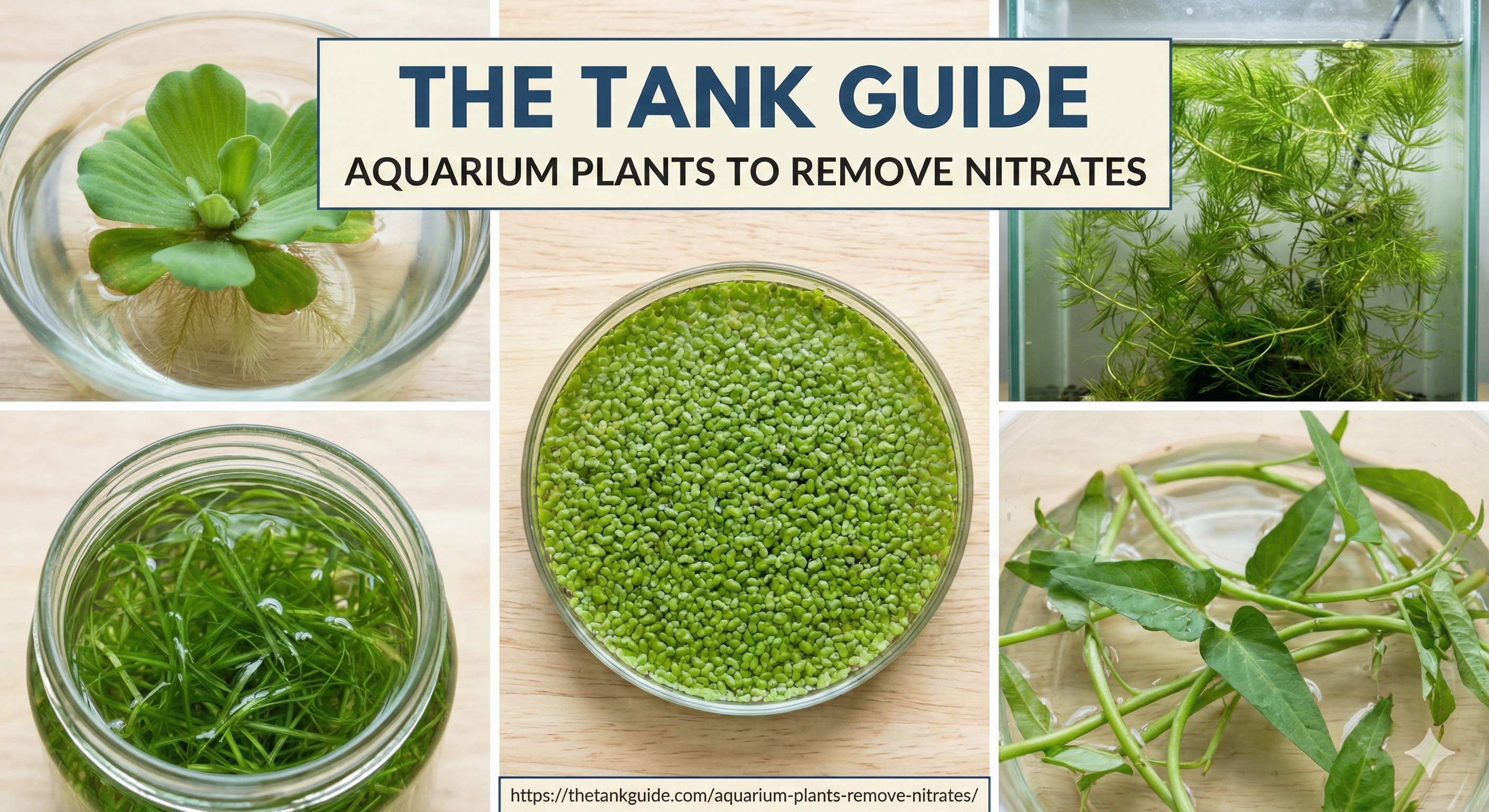
How Aquarium Plants Remove Nitrates: A Science-Based Guide to Living Filtration
In every freshwater aquarium, nitrates (NO₃⁻) gradually accumulate as the final byproduct of the nitrogen cycle. While regular water changes are the primary method of reduction, scientific research confirms that specific plants can significantly lower nitrate concentrations. By absorbing nitrogen into their tissue, these plants act as a biological nitrogen sink, supporting long-term ecosystem balance by reducing chronic nitrate stress on fish and invertebrates.
Do plants remove nitrates from fish tanks?
Yes. Plants remove nitrates by absorbing them through their roots and leaves to build new tissue. This process, known as nitrogen uptake, is most effective in fast-growing species that have a high demand for nutrients.
The 5 Most Effective Plants for Nitrate Removal
The following plants are listed by practical suitability for hobbyist systems rather than strict efficiency ranking.
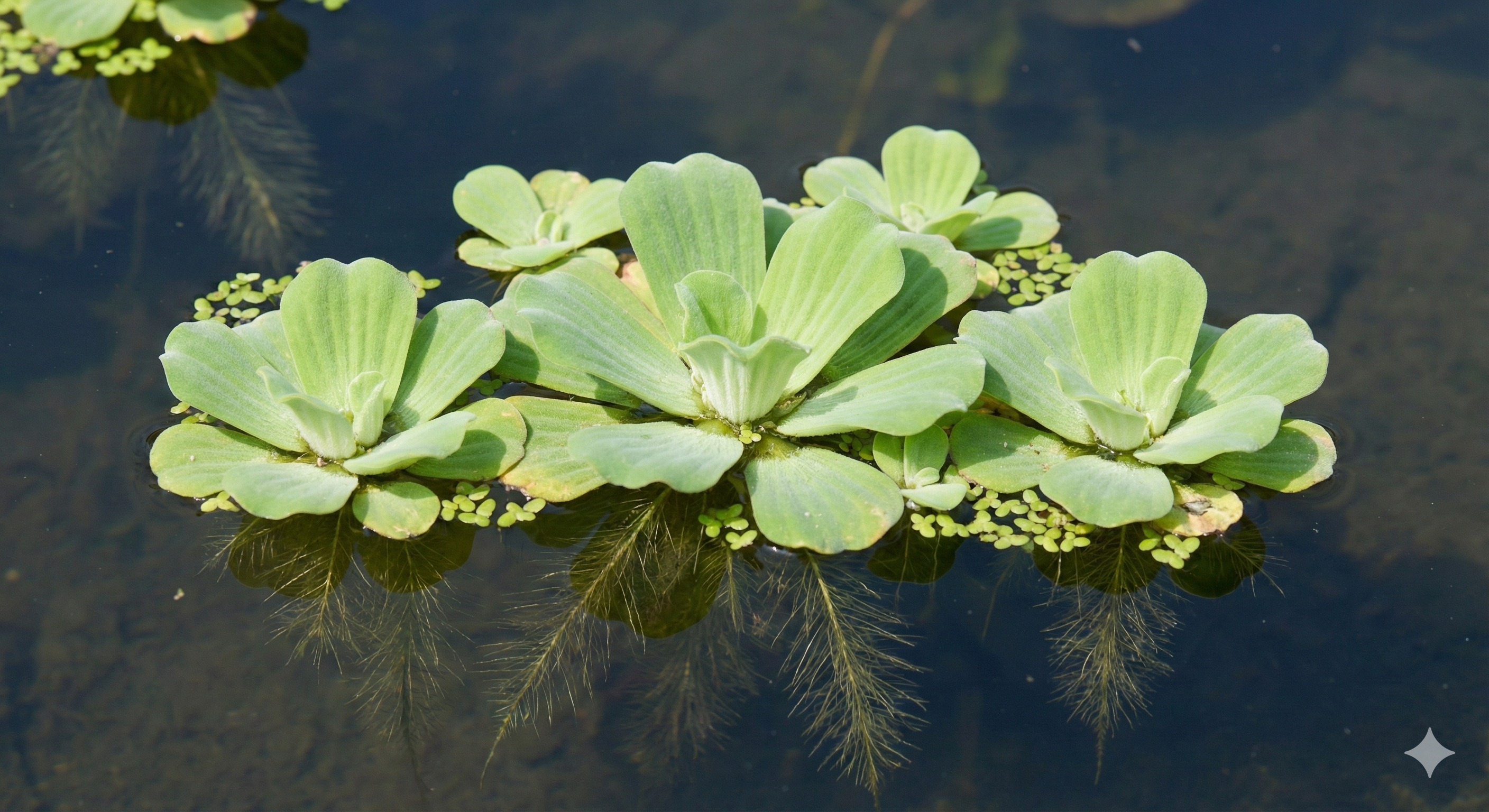
1. Water Lettuce (Pistia stratiotes)
Growth Type: Floating
Research in recirculating aquaculture systems (RAS) indicates that Water Lettuce can reduce nitrate levels by 71–78% over short intervals.
Why it works:
Because it floats, it has unlimited access to atmospheric CO₂, which accelerates growth and nutrient uptake.
Best use:
Open-top hobbyist tanks or sumps with dedicated lighting. Requires an open surface or modified lid to allow leaves to remain above water.
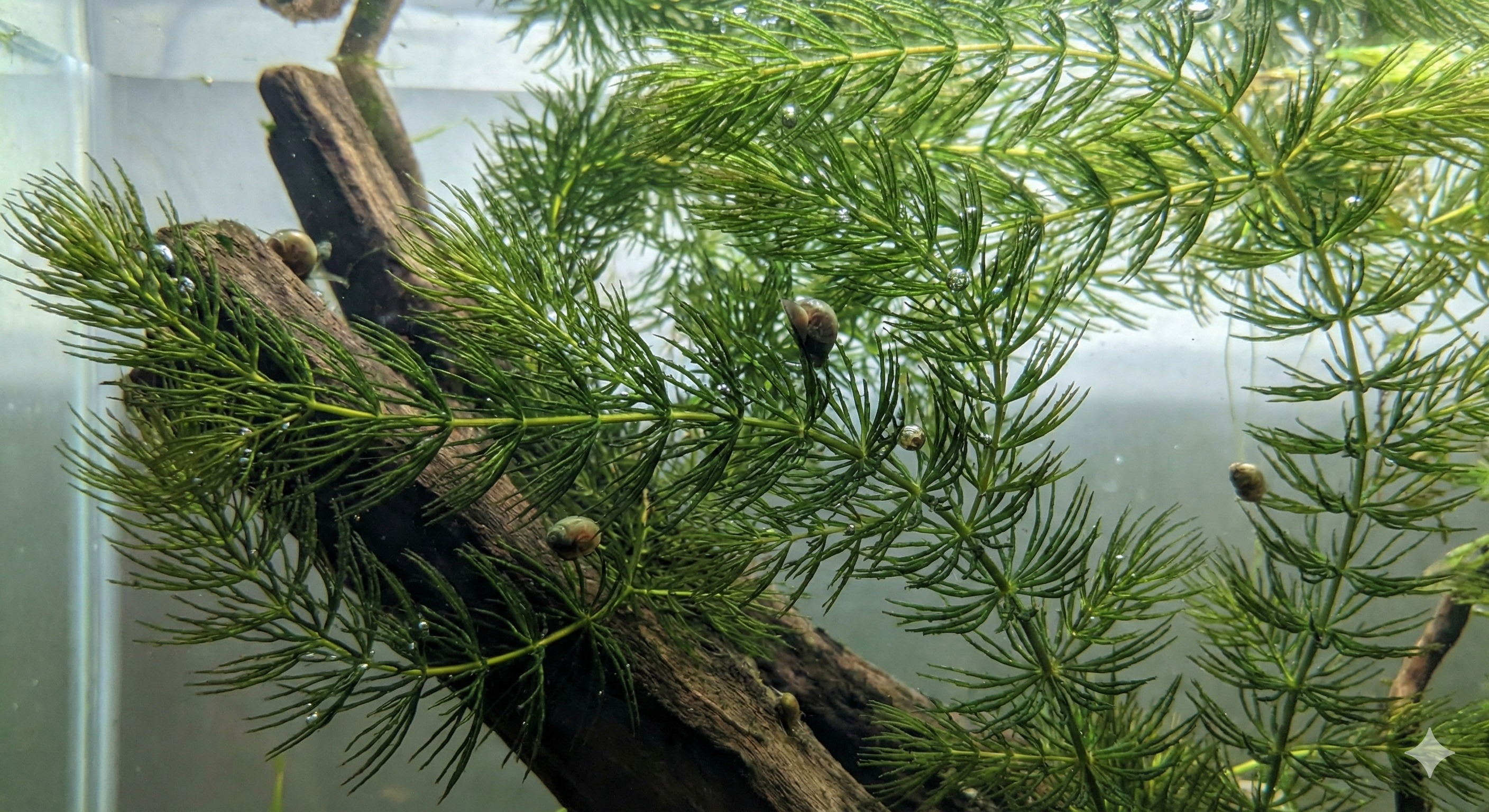
2. Hornwort (Ceratophyllum demersum)
Growth Type: Submerged, Rootless
Hornwort is often described as a nutrient sponge, demonstrating over 40% nitrate reduction in under one week during aquaculture trials.
Why it works:
It lacks a traditional root system, meaning it absorbs nutrients directly from the water column through its stems and needle-like leaves.
Best use:
Floating in a refugium or lightly anchored in a community tank.
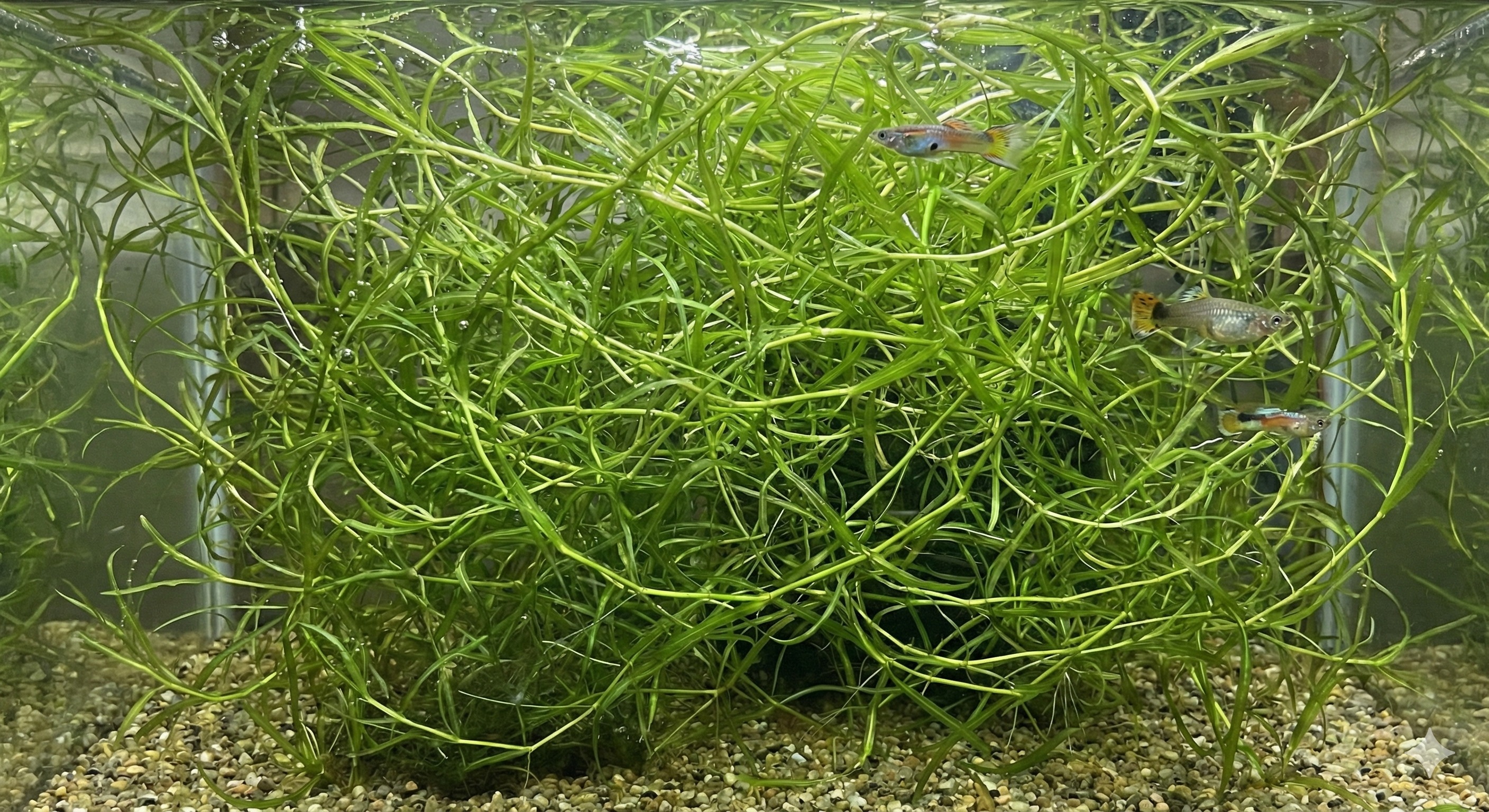
3. Guppy Grass (Najas guadalupensis)
Growth Type: Submerged
University studies show that tanks utilizing Guppy Grass maintain significantly lower nitrate levels (approximately 11.5 mg/L) compared to unplanted control tanks (35 mg/L).
Why it works:
Its rapid biomass production requires a constant supply of nitrogen, making it a highly efficient biological filter.
Best use:
Ideal for fry grow-out tanks where water quality is critical.
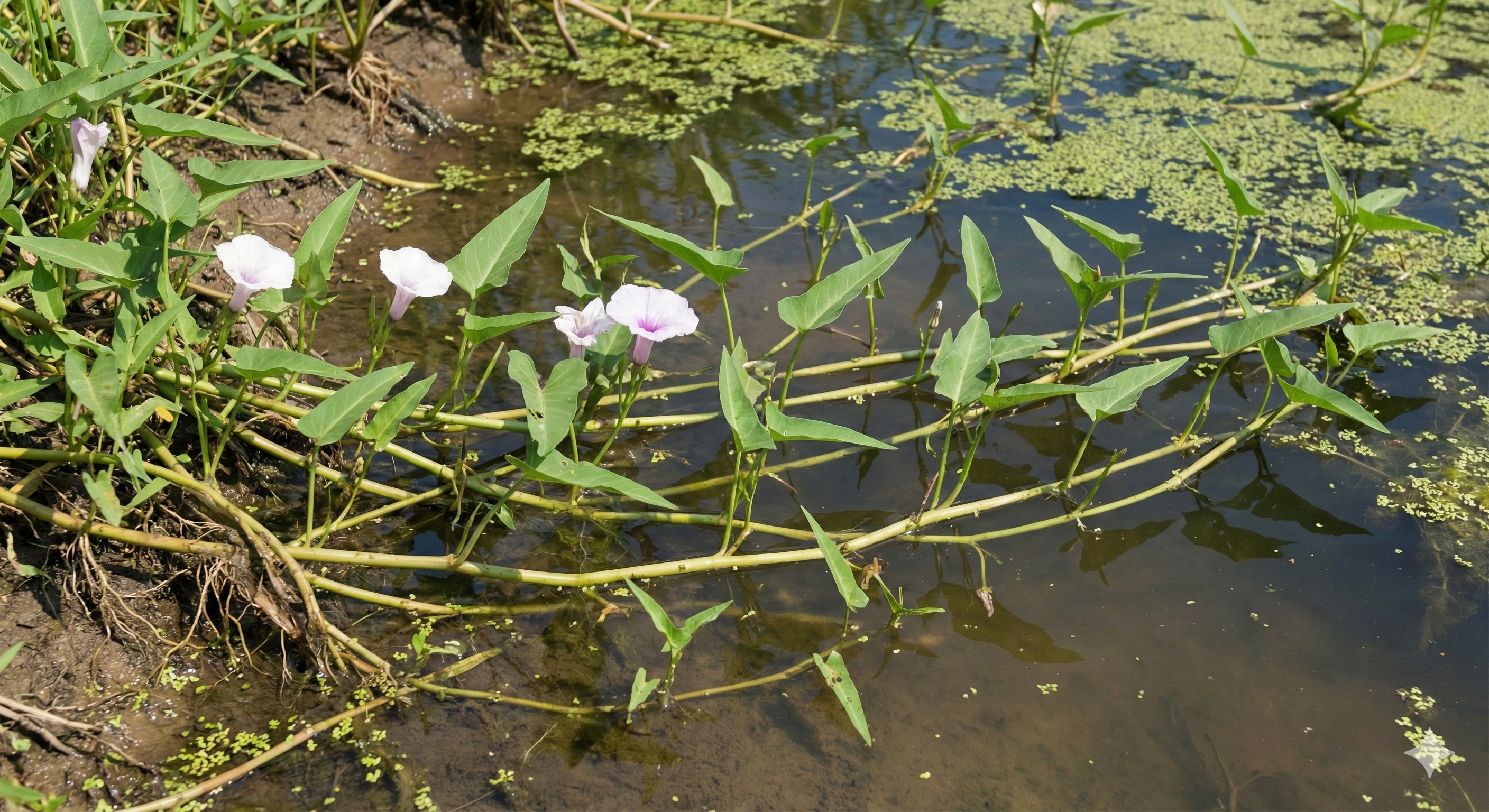
4. Water Spinach (Ipomoea aquatica)
Growth Type: Emersed / Riparian
Often used in aquaponics, Water Spinach can achieve 70% or greater nitrate removal when its roots are submerged and its leaves remain above water.
Why it works:
High transpiration rates pull water and dissolved nitrates through the roots faster than fully submerged plants.
Best use:
External filters or hang-on-back planters.
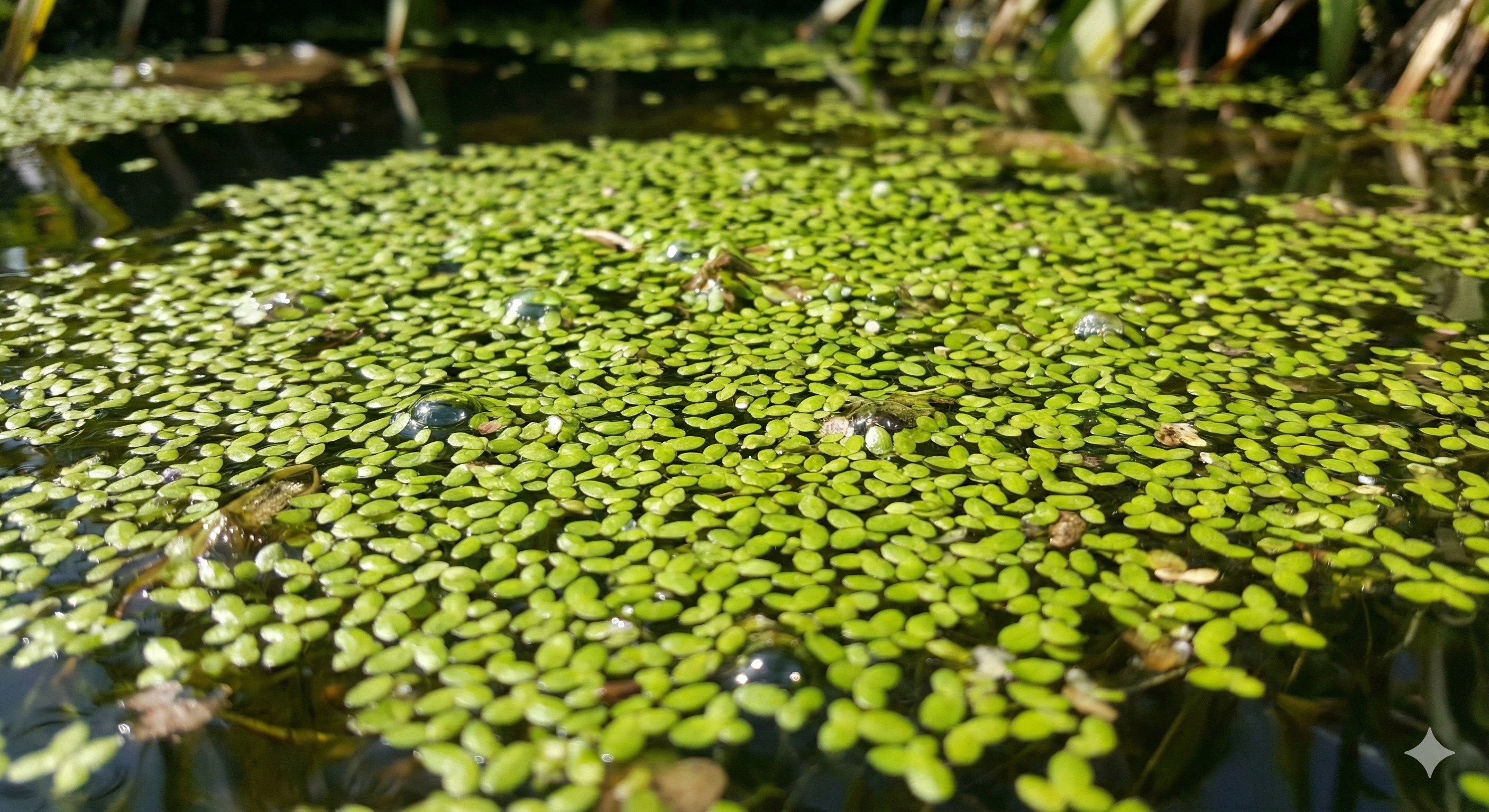
5. Duckweed (Lemna minor)
Growth Type: Floating
Duckweed is one of the fastest-growing plants on Earth, achieving 56–70% nitrogen recovery when harvested regularly.
Why it works:
It can double its biomass in 24–48 hours, requiring large nitrogen inputs for protein synthesis.
Best use:
Controlled sumps where it can be harvested without overtaking the display.
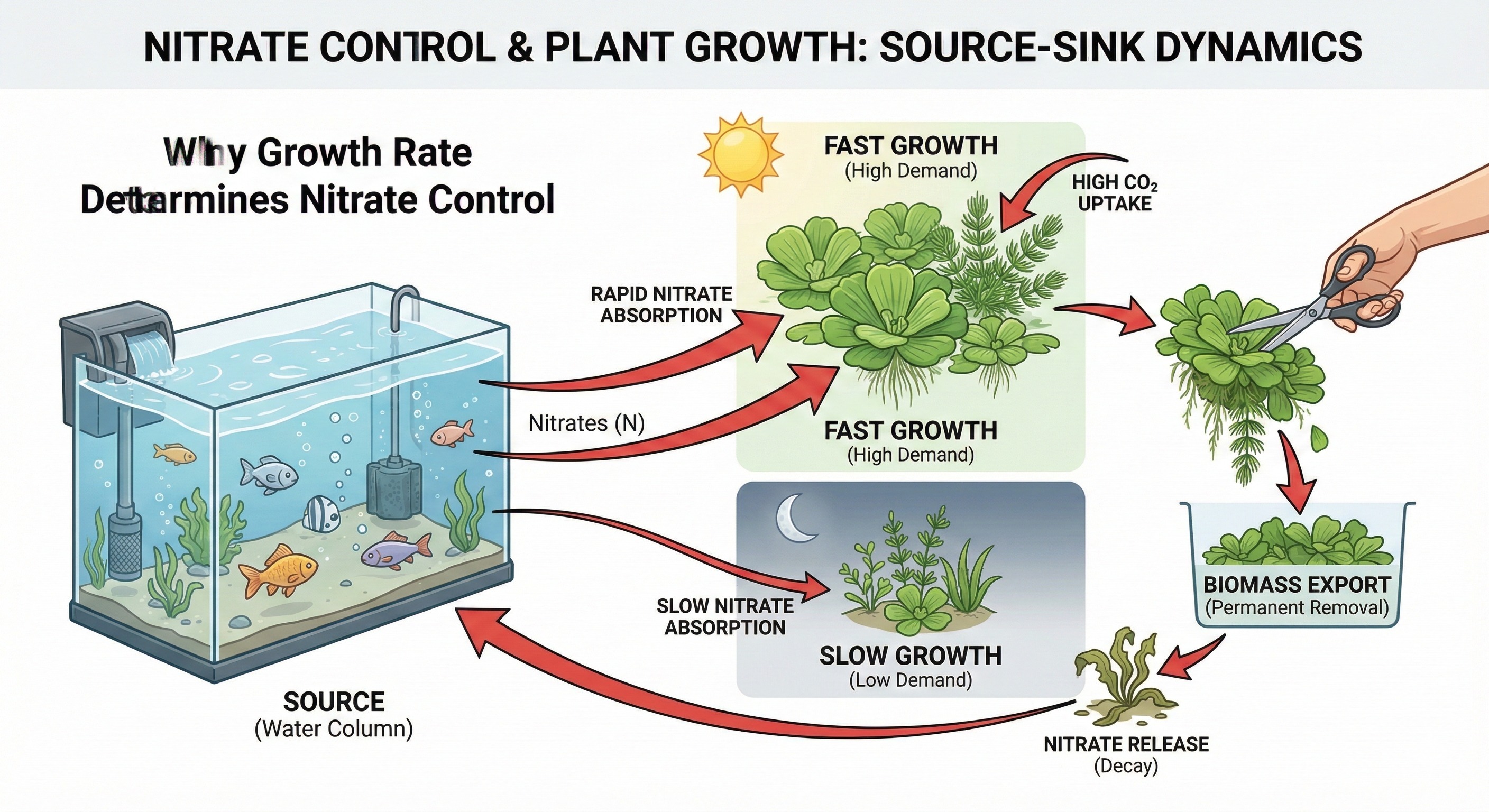
Why Growth Rate Determines Nitrate Control
This concept is explained by source–sink dynamics—plants act as a “sink” by absorbing nitrogen from the water (the “source”) and converting it into tissue. The faster they grow, the more nitrogen they pull. Nitrogen is a required building block for chlorophyll and photosynthetic enzymes.
Key points:
- Fast growth equals high nitrogen demand
- Plants with higher metabolic rates absorb more nitrate
- Floating and emersed plants grow faster due to greater CO₂ availability
The Essential Rule: Biomass Export
Plants remove nitrates from the water column by absorbing and storing nitrogen in their tissue. However, this storage is temporary—if plants decay in the tank, that nitrogen is released back into the water. To achieve lasting reduction, plant biomass must be harvested. Regular trimming is therefore a functional part of living filtration, not just maintenance.
Frequently Asked Questions
What plants absorb nitrates the most?
Floating plants like Water Lettuce and Duckweed are the most efficient due to rapid growth and atmospheric CO₂ access.
Which aquarium plants reduce nitrates best?
Hornwort, Guppy Grass, and other fast-growing submerged plants are the most effective submerged options.
Do plants replace water changes?
No. Plants reduce nitrate concentrations but do not remove all dissolved waste or replenish essential minerals. They supplement, not replace, water changes.

Log parameters, feeding, and maintenance with our journals and guides.